Musk vs Altman OpenAI Trial 2026: The $150 Billion Grudge Match That Exposes Silicon Valley's Ugliest Truths
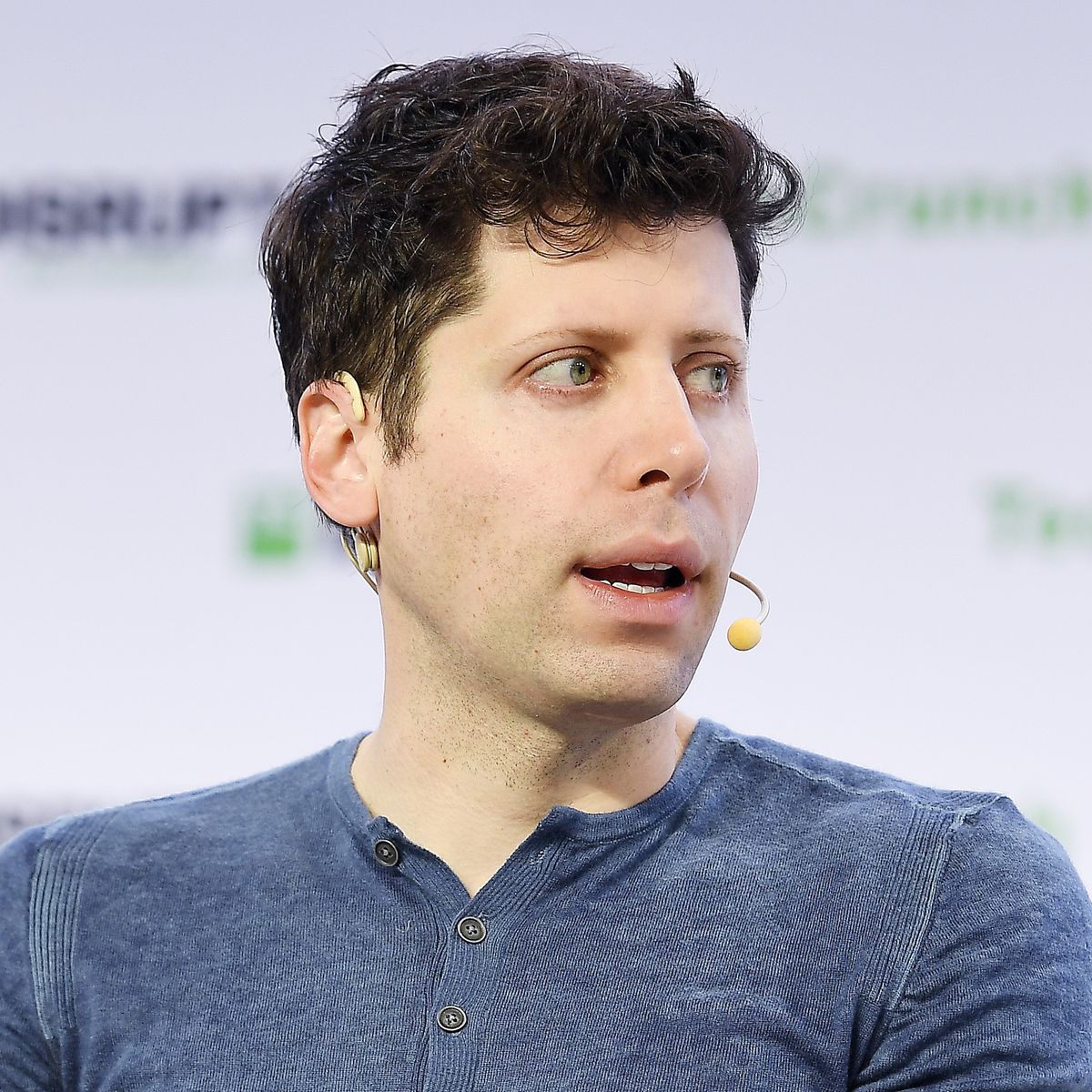
The Musk vs Altman OpenAI trial is now in its third week, and the testimony has been devastating for both sides. Elon Musk is suing OpenAI and Microsoft for $150 billion, claiming the company betrayed its nonprofit roots. Sam Altman fired back under oath, saying Musk wanted 90% equity and tried to destroy OpenAI when he didn't get it. Closing arguments are set for Thursday. Neither man looks good right now, and the AI industry is holding its breath.
What Did Sam Altman Actually Say on the Stand?
I've been following this trial obsessively since day one, and I need to be honest: Altman's testimony on May 12 and 13 was the most riveting courtroom drama I've watched since the Theranos collapse. The man sat in a federal courtroom in San Francisco and essentially accused Elon Musk of trying to murder the organization he now claims to be saving.
Here's the core of what Altman testified. When OpenAI was being formed, Musk didn't just want to be a donor or board member. He wanted 90% equity in the venture. Think about that for a second. A man who positioned himself as a philanthropic guardian of AI safety wanted to personally own nearly the entire company. When the other founders said no, Altman claims Musk's attitude shifted from collaborative to hostile. According to Altman, Musk actively tried to kill OpenAI — and when that failed, he launched xAI as a direct competitor and started poaching talent.
The most damaging moment came when Altman described Musk's departure from the board. The narrative Musk has pushed publicly is that he left because he was alarmed by OpenAI's direction. Altman's version is blunter: Musk left because he couldn't control the organization, and he's been trying to destroy it from the outside ever since.
Did Musk Really Admit xAI Copies OpenAI's Work?
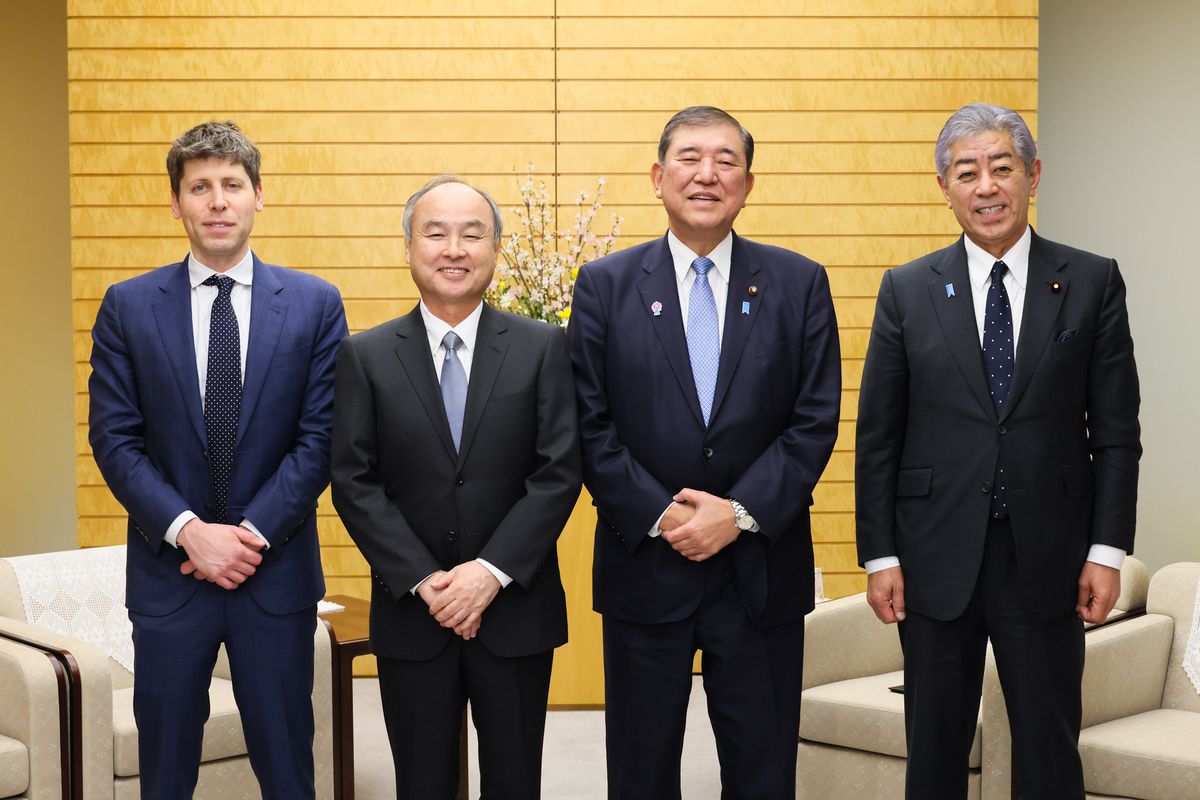
This was the moment I nearly dropped my phone. Under cross-examination, Elon Musk acknowledged that xAI used a technique called "distillation" on OpenAI's models. For anyone outside the AI world, distillation means you take the outputs of a larger, more capable model and use them to train a smaller one. In plain language: xAI used OpenAI's work as a cheat sheet to build Grok.
The irony is so thick you could cut it with a knife. Musk is suing OpenAI for $150 billion while simultaneously admitting his own company benefited from OpenAI's technology. His legal team tried to frame distillation as a common industry practice — which it is — but the optics are brutal. You can't credibly claim an organization wronged you while also acknowledging you copied their homework.
| Key Witness | What They Testified |
|---|---|
| Sam Altman | Musk wanted 90% equity; tried to kill OpenAI; launched xAI as revenge |
| Elon Musk | Admitted xAI distills OpenAI models; maintains nonprofit mission was betrayed |
| Satya Nadella | Musk never raised concerns about OpenAI's direction with Microsoft |
| Shivon Zilis | Former board member; mother of Musk's children; testimony on board dynamics |
Why Does the Satya Nadella Testimony Matter So Much?
Microsoft CEO Satya Nadella's testimony was quieter but potentially more consequential than the Musk-Altman fireworks. Nadella told the court that Musk never contacted him to express concerns about OpenAI's transition from nonprofit to for-profit. Never. Not once.
This matters because Musk's entire legal argument rests on the claim that OpenAI's leadership secretly betrayed the nonprofit mission. If Musk was genuinely alarmed, why didn't he pick up the phone and call the CEO of the company that was supposedly corrupting OpenAI? Nadella's testimony suggests Musk's concern wasn't about AI safety at all — it was about losing influence over the most important AI company in the world. The tech industry is watching this closely, just like they watched Apple's WWDC 2026 announcements reshape the AI landscape from a different angle.
What Does the Shivon Zilis Testimony Tell Us?
Shivon Zilis is one of the most unusual witnesses in this trial. She served on the OpenAI board and is also the mother of two of Musk's children. The potential conflicts of interest here are staggering, and I think the jury noticed. Her testimony provided insight into boardroom conversations about OpenAI's future, but every word she said was colored by her personal entanglement with the plaintiff.
I'll say what the mainstream coverage won't: the Zilis testimony exposed how incestuous Silicon Valley's power structures really are. The same people sit on each other's boards, invest in each other's companies, and — in some cases — have children together. When Musk claims OpenAI was captured by a small group of insiders, the irony is that he was the ultimate insider. He just lost his seat at the table.
Who Is Actually Winning This Trial?
After watching three weeks of testimony, my honest assessment is that neither side is winning cleanly. Musk has the stronger emotional narrative — the nonprofit that was supposed to save humanity from dangerous AI got swallowed by corporate greed. That story resonates with juries. But his credibility took massive hits when he admitted to distilling OpenAI's models and when Nadella contradicted his claimed concerns.
Altman has the stronger factual defense — OpenAI's board made decisions transparently, and Musk's 90% equity demand undercuts his altruistic framing. But Altman also comes across as someone who benefited enormously from a structure that was supposed to be nonprofit. He went from running a charity to leading a company valued in the hundreds of billions. Juries notice things like that.
The real question is whether this trial reshapes AI governance permanently. If Musk wins even partially, every AI company with nonprofit origins will face lawsuits from disgruntled former stakeholders. If Altman wins, the precedent says you can convert a nonprofit into a profit machine as long as your board approves it. Neither outcome is great for the broader tech ecosystem that's trying to build public trust.
More from Thesis by D
Apple WWDC 2026: iOS 27, Siri, and the Gemini Partnership Google's Pixel Glow and Nothing Phone LED InnovationFrequently Asked Questions
What is the Musk vs Altman OpenAI trial about?
Elon Musk is suing OpenAI and Microsoft for $150 billion, alleging that OpenAI betrayed its original nonprofit mission by becoming a for-profit company controlled by Microsoft. The trial is now in its third week in a San Francisco federal courtroom.
What did Sam Altman say about Musk during his testimony?
Sam Altman testified on May 12-13 that Musk originally wanted 90% equity in OpenAI, tried to kill the organization when he didn't get control, and later launched his own competitor xAI while poaching OpenAI talent.
Did Elon Musk admit to copying OpenAI's models?
Yes. During the trial, Musk acknowledged that his company xAI used distillation on OpenAI's models, essentially training xAI's Grok using outputs from OpenAI's systems.
What did Satya Nadella testify in the OpenAI trial?
Microsoft CEO Satya Nadella testified that Musk never raised concerns about OpenAI's direction with him directly, despite Musk's claims that he was alarmed by the nonprofit-to-profit transition.
When will the Musk vs OpenAI trial end?
Closing arguments are scheduled for Thursday of this week. The jury will then deliberate on the $150 billion lawsuit. A verdict could come within days of closing arguments.