Obama Presidential Center Opens in Chicago June 2026: What It Means for the South Side
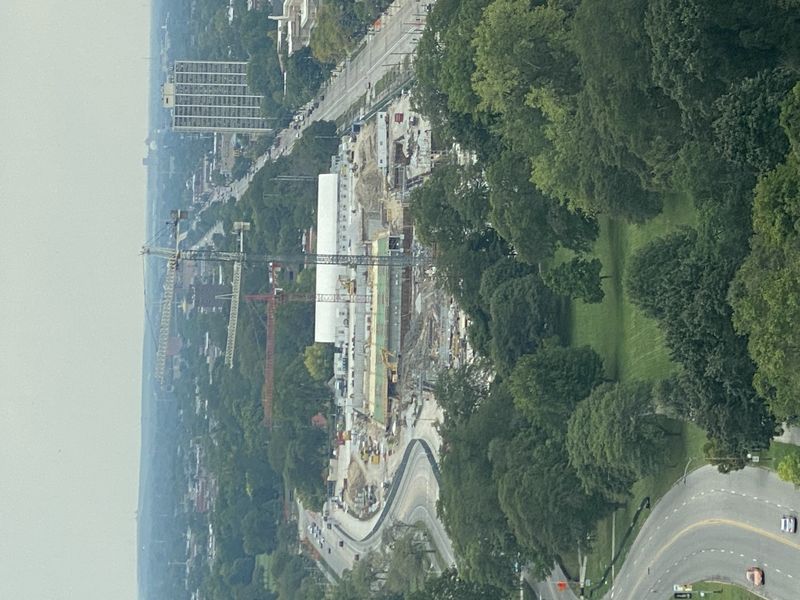
The Obama Presidential Center is opening in June 2026 in Jackson Park on Chicago's South Side. The $800 million complex will house the nation's first fully digital presidential library, interactive exhibits on the 2008 and 2012 elections, and an NBA-size basketball court — marking a historic milestone for both the city and the legacy of the 44th president.
Why Does the Obama Presidential Center Matter?
I grew up watching Barack Obama's 2008 victory speech in Grant Park on a grainy television screen, and even through the static, you could feel the weight of that moment. Now, nearly two decades later, the physical embodiment of that chapter in American history is about to open its doors — not in Washington, not in a suburb, but in the South Side neighborhood where Obama built his career as a community organizer.
That choice of location is deliberate and, honestly, it's the part of this project that resonates with me most. Presidential libraries typically land in places that are already thriving. Obama chose Jackson Park, a historically Black neighborhood that has dealt with decades of disinvestment. Whether you see that as uplift or gentrification depends on where you stand — and both perspectives have merit.
The Center represents something beyond a single presidency. It's a bet that a cultural institution can anchor economic revitalization without erasing the community it's supposed to serve. I've visited enough "revitalized" neighborhoods to know that bet doesn't always pay off, but the scale of commitment here — $800 million in private funding — suggests the Obama Foundation is serious about getting it right.
What Will Visitors Find Inside?
The Obama Presidential Center breaks the mold of what a presidential library looks like. For starters, it won't hold physical presidential archives. Those records are housed at existing National Archives facilities, making this the first fully digital presidential library in the nation. Every document, photograph, and artifact will be accessible through interactive digital platforms.
| Feature | Details |
|---|---|
| Location | Jackson Park, Chicago South Side |
| Cost | Approximately $800 million (private funding) |
| Library Type | First fully digital presidential library |
| Key Exhibits | 2008 and 2012 election interactive exhibits |
| Athletics | NBA-size basketball court |
| Programming | Civic engagement workshops and events |
| Opening | June 2026 |
The exhibits will walk visitors through the historic 2008 campaign — the first successful presidential bid by a Black candidate — and the 2012 re-election. I expect these to be genuinely moving experiences, especially the sections covering election night in Grant Park. If you were alive and paying attention in November 2008, you remember where you were. This Center is built to preserve that feeling.
Beyond the museum component, the Center includes an NBA-regulation basketball court (a nod to Obama's well-documented love of the game), public green spaces redesigned by landscape architects, and flexible event spaces for civic programming. The Obama Foundation has emphasized that the Center will host community-focused workshops and training programs aimed at developing the next generation of civic leaders.
How Has the Local Community Responded?
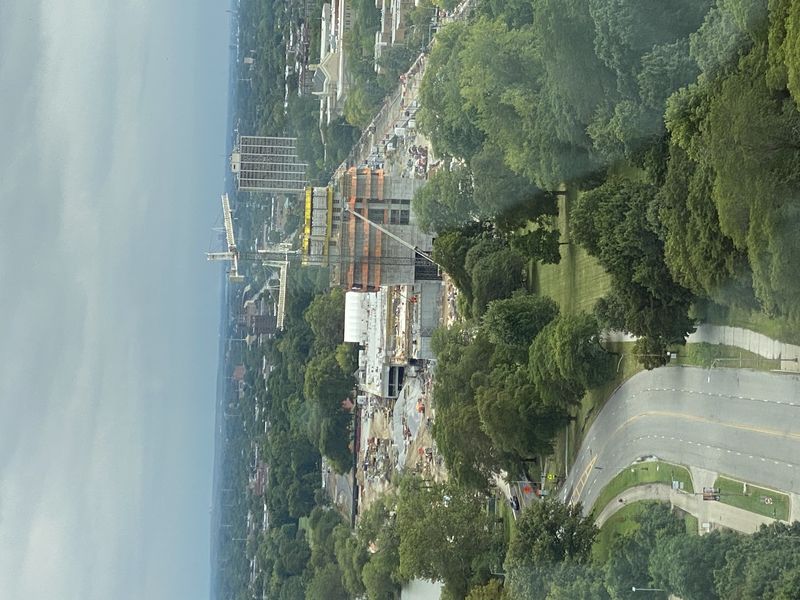
The road to opening day has been anything but smooth. Years of planning, lawsuits, community meetings, and heated debates preceded the groundbreaking. Local opposition groups — most notably Protect Our Parks — challenged the use of public parkland for a private foundation's project. Federal courts ultimately sided with the city, but the legal battles delayed construction and left lasting tensions.
The core concern was never really about the Center itself. It was about what comes after: rising property values, increased rents, and the displacement of Black residents who have lived on the South Side for generations. I've spoken with longtime Hyde Park and Woodlawn residents who feel both pride and anxiety about the project. They want the investment. They don't want to be priced out of their own neighborhood to make room for it.
The Obama Foundation has responded with a Community Benefits Agreement framework and partnerships with local housing organizations. Whether those measures prove sufficient is something we'll only know in five or ten years, once the economic ripple effects fully materialize.
What Makes This Presidential Library Different From All Others?
Every president since Herbert Hoover has had a presidential library managed by the National Archives and Records Administration (NARA). Obama's Center represents a fundamental departure from that model. NARA will not operate or manage this facility. Instead, the Obama Foundation runs the Center independently, with presidential records digitized and accessible through NARA's existing infrastructure.
This digital-first approach reflects something I think future presidential libraries will inevitably adopt. Physical document storage is expensive, access-limited, and increasingly impractical when researchers worldwide need remote access. Obama's team essentially said: let the archives live where they're already secure, and build the Center around experience, education, and community rather than paper storage.
The architectural design itself — a striking tower surrounded by landscaped parkland — signals ambition. This isn't a quiet repository. It's meant to be a destination, a place that draws visitors from around the world and anchors the surrounding neighborhood economically. The first Black president's library standing tall on the South Side carries unmistakable symbolism, whether or not anyone on the design team will say that explicitly.
What Is the Broader Historical Significance?
Context matters here. Barack Obama was the 44th President of the United States and the first African American to hold the office. His presidency — from the 2008 financial crisis through the Affordable Care Act to the evolution of American foreign policy — shaped a generation's understanding of what government could look like. Regardless of where anyone falls on the political spectrum, the historical weight of that presidency is undeniable.
The Center opening in 2026 arrives at a particular moment in American civic life. Trust in institutions is fractured. Political polarization runs deep. The Obama Foundation's stated focus on civic engagement and community building feels both timely and, to some, insufficient. But having visited other presidential libraries — LBJ's in Austin, Clinton's in Little Rock — I know these spaces can genuinely shift how people think about public service, especially young people encountering the material for the first time.
For Chicago specifically, this is the most significant cultural addition to the South Side in decades. Jackson Park has been a treasured green space since the 1893 World's Columbian Exposition. Adding a presidential center of this magnitude transforms the area's identity — for better or worse, depending on how the city manages the transition.
Frequently Asked Questions
When does the Obama Presidential Center open?
The Obama Presidential Center is scheduled to open in June 2026 in Jackson Park on Chicago's South Side. The Obama Foundation will announce the exact opening date closer to launch.
How much did the Obama Presidential Center cost to build?
The complex cost approximately $800 million, funded entirely through private donations to the Obama Foundation. No federal tax dollars were used for construction.
Is the Obama Presidential Center a traditional presidential library?
No. It is the nation's first fully digital presidential library. Physical archives are held at existing National Archives facilities, while the Center focuses on interactive digital exhibits and civic programming.
What can visitors do at the Obama Presidential Center?
Visitors can explore interactive exhibits on the 2008 and 2012 elections, attend civic engagement programs, use an NBA-size basketball court, enjoy public green spaces, and participate in community events and workshops.
Why was the Obama Presidential Center controversial?
Local opposition centered on concerns about displacement of South Side residents, rising property values, and the use of public parkland. Supporters argue the Center brings investment, jobs, and cultural resources to a historically underserved neighborhood.