Monkeys Are Eating Soil to Undo Their Junk Food Diets — And Honestly, They Might Be Onto Something
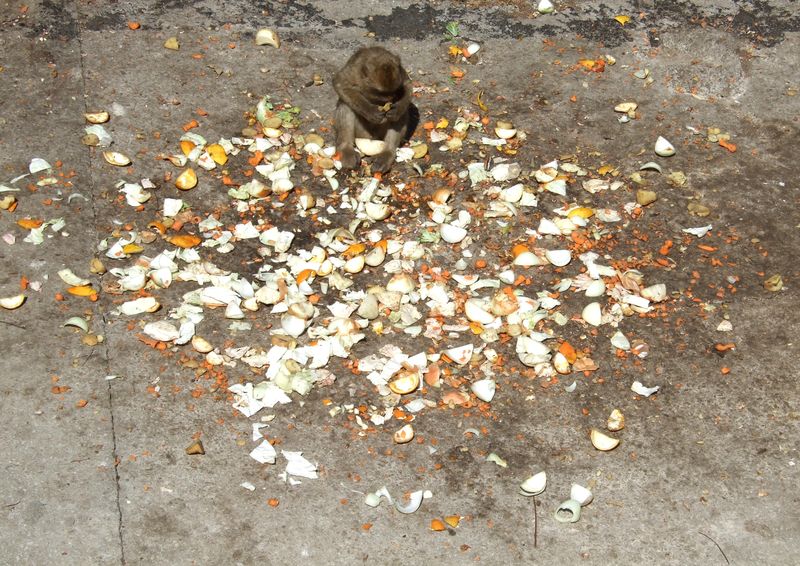
A new study on Gibraltar macaques has found that monkeys regularly fed junk food by tourists are deliberately eating soil and clay to self-medicate. The soil provides beneficial minerals and gut microbes that help counteract the digestive damage caused by processed foods. Researchers describe it as one of the clearest documented cases of animal self-medication, and it has striking parallels to the human gut health movement.
What Did the Monkeys Eating Soil Study Actually Find?
The study, published in early May 2026, focused on the famous Barbary macaques of Gibraltar — the only wild monkey population in Europe. These monkeys have lived on the Rock of Gibraltar for centuries, but their modern reality includes a constant stream of tourists who, despite posted warnings, feed them chips, candy, ice cream, sandwiches, and whatever else they happen to be carrying.
Researchers tracked the feeding behavior of 47 macaques over fourteen months. The finding that got everyone's attention: monkeys that consumed the most tourist junk food were also the most frequent soil eaters. Not just any soil, either. They specifically sought out clay-rich soil near limestone outcrops — the kind loaded with kaolin and montmorillonite, minerals known for their toxin-binding properties. The monkeys weren't eating dirt randomly. They were selecting pharmaceutical-grade clay with the precision of someone reading a supplement label.
I've been following gut health research for about four years now, partly out of personal interest — I dealt with chronic digestive issues through most of my twenties that no doctor could fully explain. When I read this study, my first reaction wasn't scientific fascination. It was jealousy. These monkeys figured out something that took me years of elimination diets and probiotic experiments to even approximate.
Why Would Eating Soil Help Fix a Bad Diet?
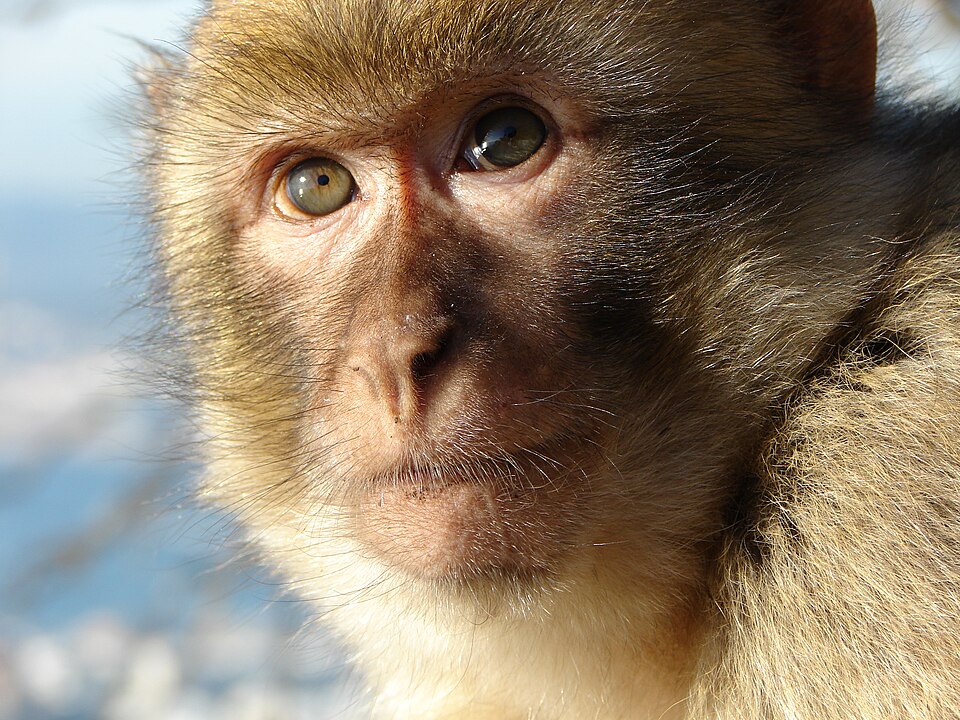
The technical term is geophagy — the deliberate consumption of earth — and it's been documented in over 200 animal species. Parrots in the Amazon eat clay from riverbanks. Elephants travel miles to reach specific mineral licks. Chimpanzees swallow whole leaves with clay residue. It's one of the most widespread self-medication behaviors in the animal kingdom, and scientists have been studying it for decades.
What makes this Gibraltar study special is the clear causal link to diet disruption. In most previous geophagy research, the animals were eating their natural diets and using soil to supplement minerals or neutralize plant toxins they'd always encountered. These macaques are dealing with a completely novel problem — processed human food that their digestive systems never evolved to handle — and they independently developed a behavioral remedy.
| Soil Component | Function |
|---|---|
| Kaolin clay | Binds to toxins in the gut, reduces inflammation |
| Montmorillonite | Absorbs harmful bacteria and heavy metals |
| Soil-based organisms | Restore gut microbiome diversity |
| Trace minerals | Iron, zinc, calcium — deficiencies caused by junk food |
| Humic acids | Support nutrient absorption, reduce gut permeability |
The monkeys that ate soil regularly showed measurably better gut microbiome diversity than those that didn't, despite eating similar amounts of junk food. Their fecal samples contained higher concentrations of beneficial bacteria strains and lower concentrations of inflammatory markers. The soil wasn't just making them feel better — it was measurably undoing some of the biological damage from their processed food diet.
What Does This Tell Us About Animal Intelligence?

Here's where I'm going to get a little philosophical, because this study touches something I feel strongly about: we consistently underestimate how smart animals are. We frame intelligence through the lens of human capabilities — language, abstract reasoning, tool use — and then act surprised when animals demonstrate sophisticated problem-solving that doesn't fit our framework.
These macaques didn't read a study about clay minerals. Nobody taught them that kaolin binds to mycotoxins. They observed their own bodies, noticed that eating certain soils made them feel better after consuming tourist junk food, and turned it into a repeated, targeted behavior. That's empirical reasoning. It's crude by human standards, but it's the same fundamental process: observe, hypothesize, test, repeat.
I think about this every time I see headlines about some new animal cognition discovery. We're not "discovering" that animals are intelligent. We're slowly, reluctantly admitting what was always true — that the gap between human and animal cognition is a spectrum, not a cliff. The recent Obama Presidential Center opening in Chicago includes a nature exhibit making this exact point about urban wildlife adaptation.
Does This Monkeys Eating Soil Study Apply to Humans?
The obvious question everyone asks: should we be eating dirt too? The short answer is that humans have actually been doing this for thousands of years. Geophagy is documented in cultures across Africa, South America, and Asia. Pregnant women in many traditional societies eat specific clays to manage nausea and supplement minerals. Kaolin — the same clay the Gibraltar macaques prefer — was the active ingredient in the original Kaopectate stomach medicine until relatively recently.
The modern gut health industry has already picked up on this. Soil-based organism (SBO) probiotics are one of the fastest-growing supplement categories. Brands like Seed, MegaSporeBiotic, and Prescript-Assist all include bacterial strains originally isolated from soil. The science is still catching up to the marketing claims, but the underlying principle — that soil microbes can benefit human gut health — has credible research support.
What I find fascinating is the parallel between what these monkeys are doing instinctively and what millions of humans are spending hundreds of dollars a year trying to replicate with designer supplements. The monkeys didn't need a subscription box or an influencer recommendation. They just ate the right dirt. There's a humbling lesson in there somewhere.
The Bigger Picture: Why This Matters Beyond Monkeys
This study lands at an interesting cultural moment. Gut health is having its mainstream moment — fermented foods, prebiotic fibers, microbiome testing kits, and the general awareness that your digestive system affects everything from your mood to your immune response. The Gibraltar macaque research adds a compelling data point: even non-human primates, when their gut health is compromised, will instinctively seek out remedies that align with what modern science is discovering.
It also raises uncomfortable questions about what we've lost by sanitizing every aspect of modern life. The "hygiene hypothesis" — the idea that our obsession with cleanliness has weakened our immune systems by depriving us of microbial exposure — gets another piece of supporting evidence. We live in sealed buildings, eat processed food, and kill 99.9% of bacteria on every surface. Then we wonder why autoimmune conditions and gut disorders have skyrocketed over the past fifty years.
I'm not suggesting anyone go eat dirt from their backyard. But I am suggesting that a species of monkey with a brain one-third the size of ours figured out a gut health solution that most humans are still Googling. That should make us pause. If you're curious about other unexpected stories making waves right now, Blake Lively's viral Met Gala moment is another case of something small capturing massive public attention for reasons worth examining.
More from Thesis by D
Obama Presidential Center Opens in Chicago — June 2026 Blake Lively Met Gala 2026: The Viral Video Everyone's Talking AboutFrequently Asked Questions
Why are monkeys in Gibraltar eating soil?
Gibraltar macaques have been observed eating clay-rich soil as a form of self-medication. Researchers believe the minerals and beneficial microbes in the soil help counteract the negative digestive effects of processed junk food that tourists feed them despite posted prohibitions.
What is geophagy in animals?
Geophagy is the deliberate consumption of soil, clay, or earth. It has been documented in over 200 animal species and is believed to serve multiple purposes: detoxifying harmful compounds, supplementing mineral deficiencies, and supporting gut microbiome health.
Can eating soil actually improve gut health?
According to this study, yes — in monkeys at least. Clay minerals in soil bind to toxins and remove them from the digestive system, while soil-based microbes may help restore balance to a gut microbiome disrupted by processed foods. Human applications are still being studied.
What junk food are tourists feeding the Gibraltar monkeys?
Despite regulations prohibiting it, tourists commonly feed Gibraltar macaques chips, candy, bread, ice cream, and other processed foods. This has significantly altered the monkeys' natural diet and contributes to the digestive issues driving their soil-eating behavior.
Does the monkeys eating soil study apply to human health?
While direct application requires more research, the study reinforces growing evidence that soil-based organisms and mineral-rich clays can benefit gut health. Several human probiotic supplements already include soil-based organisms inspired by similar animal behavior research.