Smithsonian Air and Space Museum Fully Reopens July 1 for Its 50th Anniversary
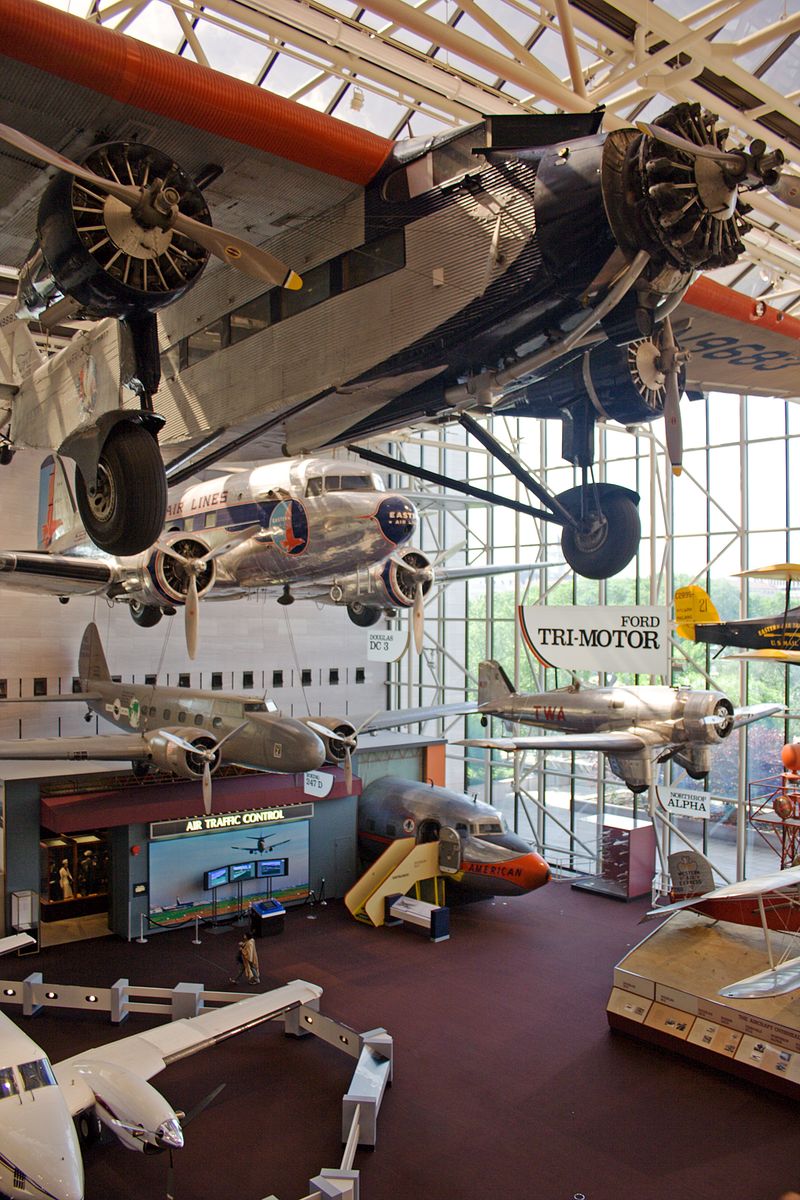
The Smithsonian National Air and Space Museum completes its massive $1 billion renovation and fully reopens on July 1, 2026 — exactly 50 years after it first opened its doors. All 23 redesigned galleries will be accessible, including new SpaceX exhibits and an immersive planetarium. The reopening aligns perfectly with America's 250th birthday celebrations, making it one of the landmark cultural events of the year.
The Museum That Made Me Want to Touch the Stars
I was nine years old the first time I walked into the National Air and Space Museum. My mom had taken me to Washington, D.C. during spring break, and we were doing the whole Smithsonian circuit. I was tired. My feet hurt. I wanted ice cream. Then I looked up and saw the Spirit of St. Louis hanging from the ceiling, and something inside my chest just opened up.
I stood under that plane for so long my mom had to physically pull me away. I remember thinking: a person actually flew across the entire ocean in that tiny thing. By themselves. At night. The courage it must have taken felt impossible and inspiring in equal measure. That museum turned me into someone who cares deeply about what humans can accomplish when they refuse to accept limits.
So when they announced the renovation in 2018, I understood why it needed to happen, but I also felt a pang of loss. The museum had been partially closed for years during the work. Now, finally, it's coming back. All of it. On July 1, 2026, every gallery opens to the public for the first time in nearly a decade.
Eight Years and One Billion Dollars Later
Let me put the scale of this renovation into perspective. The Smithsonian spent $1 billion over eight years to completely reimagine the most visited museum in the United States. Before the renovation, the building was showing its age in serious ways. Climate control systems from the 1970s were damaging artifacts. Gallery layouts hadn't been updated in decades. The museum was literally falling apart while 7 million people walked through it every year.
| Detail | Info |
|---|---|
| Full Reopening | July 1, 2026 |
| Renovation Cost | $1 billion |
| Duration | 8 years (2018-2026) |
| New Galleries | 23 completely redesigned |
| Admission | Free (timed passes may be required) |
| Location | National Mall, Washington, D.C. |
The renovation replaced every system in the building: HVAC, electrical, plumbing, fire suppression. But the real transformation is in the galleries themselves. The old museum, as beloved as it was, presented aviation and space history in a fairly linear, artifact-focused way. The new design is immersive, interactive, and tells stories that the original museum simply couldn't.
SpaceX, Artemis, and the New Space Age
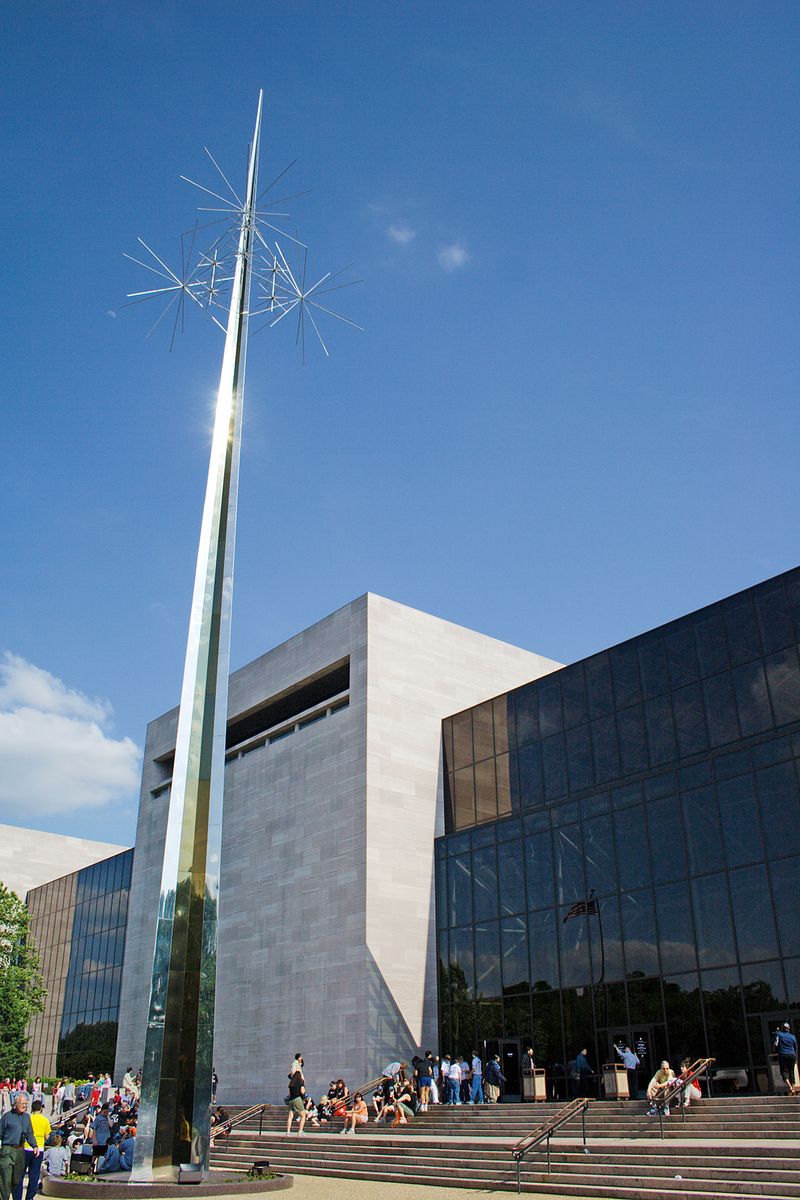
Here's what excites me most about the reopened museum: it finally catches up to the present. The original museum ended its space narrative somewhere around the Space Shuttle era. Now, there's an entire gallery dedicated to the commercial space revolution. You can see actual Falcon 9 hardware from SpaceX. There's a section on the Artemis program's return to the Moon. There are exhibits about Mars rovers that are operating right now as you read this.
The new planetarium is reportedly breathtaking. Using technology that didn't exist when the renovation started, it creates immersive experiences that put you inside the cockpit of historic flights or on the surface of Mars. Early reviews from press previews describe it as "the most advanced planetarium in the Western Hemisphere." I have already marked July 1 on my calendar in three different apps.
There's also a significant expansion of exhibits covering the contributions of women, people of color, and international collaborators in aviation and space history. The original museum, built in the 1970s, had blind spots that reflected its era. The new version tells a much fuller story of who actually got us to the skies and beyond.
America 250 and the Perfect Timing
The museum originally opened on July 1, 1976, as part of America's bicentennial celebrations. The fact that its grand reopening falls on its exact 50th anniversary — and during America's 250th birthday year — feels almost too perfect to be coincidental. And honestly, I don't think it is. The Smithsonian planned this timing very deliberately.
The summer of 2026 is shaping up to be a massive moment for American cultural institutions. The semiquincentennial celebrations will bring millions of visitors to Washington, D.C. The Air and Space Museum reopening will be one of the anchor events, joining parades, exhibitions, and ceremonies happening across the National Mall and throughout the country.
For families planning summer trips, this is a once-in-a-generation opportunity. You can visit a completely reimagined version of the most popular museum in America during a national birthday celebration that won't happen again for another 250 years. If you have kids who are even slightly interested in planes, rockets, or space, this is the trip to make.
What I'm Most Looking Forward To
I'll be there on opening day. I already know I'm going to cry again, just like I did when I was nine. But this time it won't just be about looking up at the Spirit of St. Louis. It'll be about seeing how far we've come in the 50 years since this museum first opened its doors.
In 1976, we had just finished the Apollo program. The Space Shuttle hadn't flown yet. The internet didn't exist. Now we have rovers on Mars, private companies launching astronauts, and plans to build habitats on the Moon. The story of human flight went from "can we cross the ocean?" to "can we live on another world?" in a single lifetime.
That's what this museum captures, and that's why the renovation matters so much. It's not just about preserving old airplanes and space capsules. It's about reminding us that every impossible thing started with someone looking up and deciding to try. The Smithsonian Air and Space Museum taught me that when I was nine. I can't wait to see it teach a whole new generation the same lesson, in a building that finally matches the scale of the story it's telling.
Free admission. A billion-dollar renovation. America's 250th birthday. If you can only visit one museum this year, this is the one. No contest.
Related Stories
Obama Presidential Center Opens in Chicago June 2026 The Mandalorian and Grogu Movie Hits Theaters May 22Frequently Asked Questions
When does the Smithsonian Air and Space Museum fully reopen?
The museum fully reopens on July 1, 2026, with all galleries, exhibits, and public spaces accessible for the first time since the renovation began in 2018.
Is the Smithsonian Air and Space Museum free to visit?
Yes, like all Smithsonian museums, the National Air and Space Museum is completely free to visit. However, timed entry passes may be required during peak periods after the reopening.
What new exhibits are part of the renovation?
The renovation introduces 23 completely redesigned galleries, a new SpaceX exhibit featuring Falcon 9 hardware, an immersive planetarium, interactive flight simulators, and expanded coverage of the Artemis moon program and Mars exploration.
How much did the Smithsonian Air and Space Museum renovation cost?
The full renovation cost approximately $1 billion over eight years, making it the largest project in Smithsonian history. Funding came from a combination of federal appropriations and private donations.
Why is the July 2026 reopening significant?
The reopening coincides with two major milestones: the museum's own 50th anniversary (it opened July 1, 1976) and America's 250th birthday celebrations. The timing makes it a centerpiece of the national semiquincentennial.